Window tint is often sold as a style upgrade, but the right film does much more than darken glass. It can reduce cabin heat, cut glare, block UV exposure, improve privacy, and slow the fading and cracking that happens to leather, vinyl, plastics, and trim when a vehicle sits in the sun.
The important part is choosing the film for the way you actually use the vehicle. A commuter who sits on the 417 every day needs a different result than a family SUV with kids in the rear seats, a work vehicle carrying tools, or a luxury car where optical clarity matters as much as heat rejection. This guide explains the main window tint film types, where they work best, and what to expect before and after installation.
What Window Tint Actually Does
Tint performance is not measured by darkness alone. A dark low-quality film can look private while doing very little for heat. A lighter ceramic film can reject more infrared heat than a dark dyed film while preserving better visibility. When comparing tint, the useful terms are visible light transmission, UV rejection, infrared rejection, total solar energy rejection, optical clarity, and warranty.
- Visible light transmission (VLT) describes how much visible light passes through the glass and film; lower VLT means a darker appearance.
- UV rejection helps protect skin and slows interior fading, cracking, and discolouration.
- Infrared rejection targets the heat you feel on your skin through the glass.
- Optical clarity matters at night, in rain, and when checking mirrors and blind spots.
- Film quality and installation quality determine whether the tint stays clean, bonded, and free of bubbles or peeling edges.
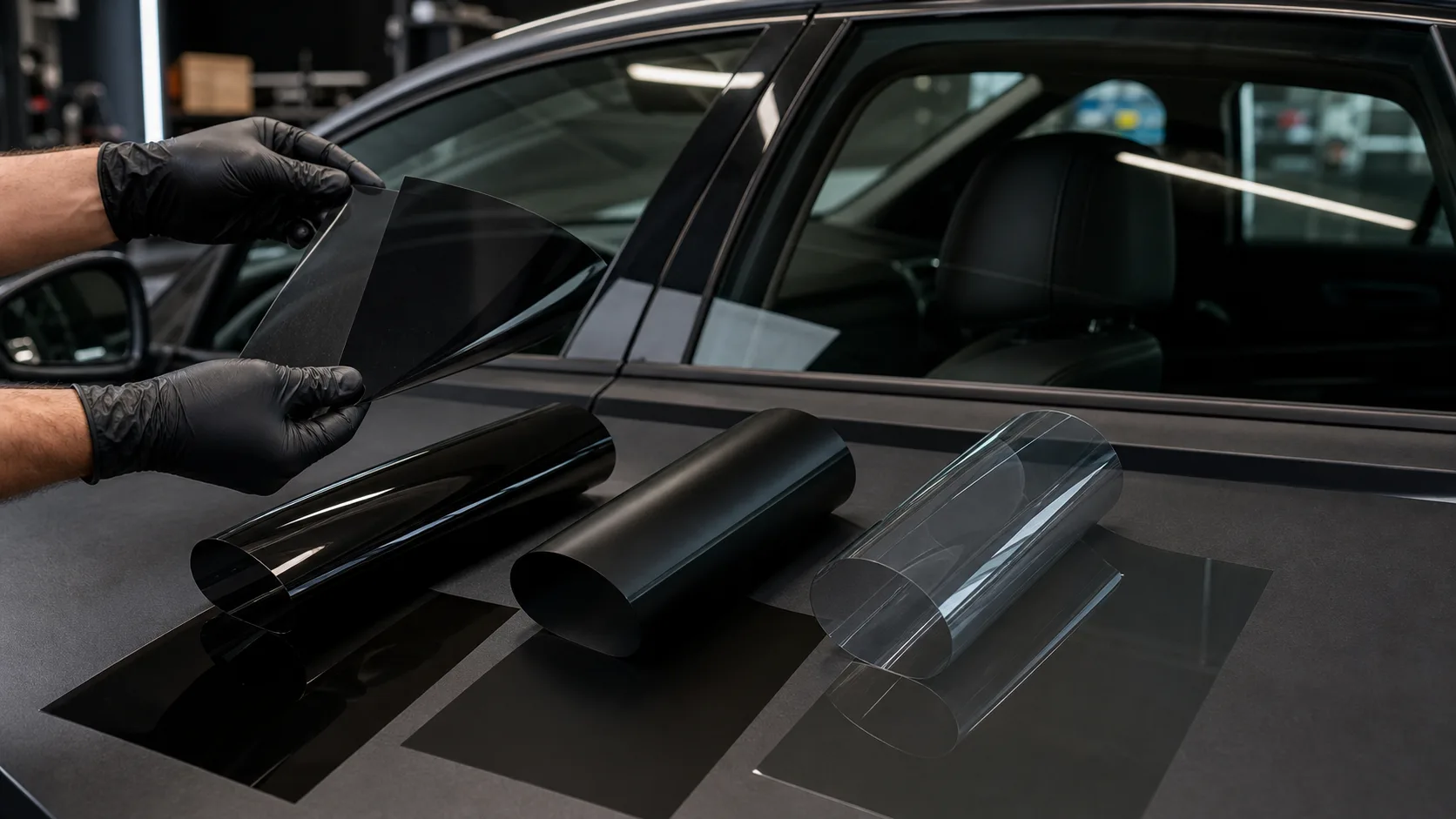
Dyed Window Tint
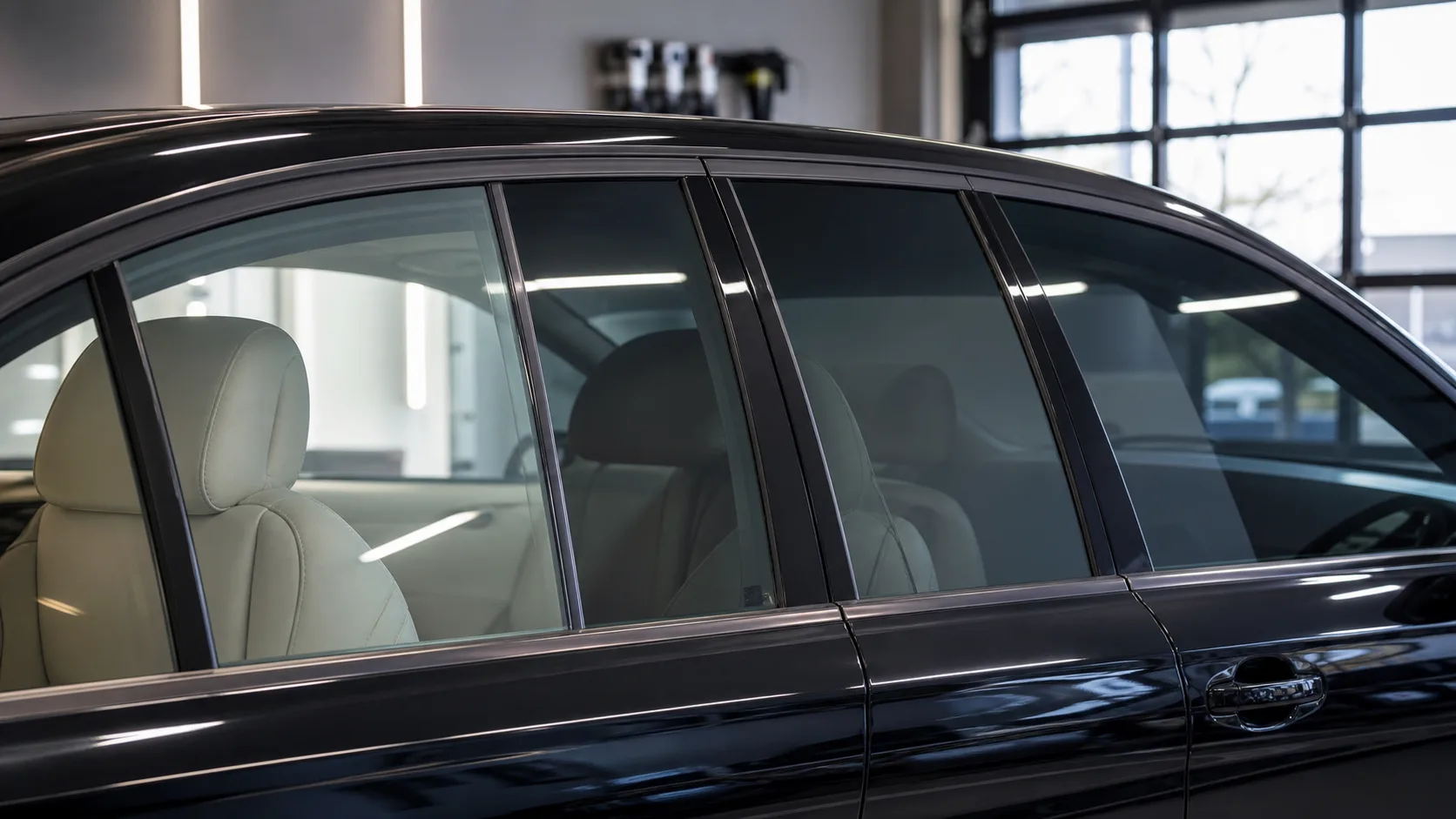
Dyed tint is the entry-level option. It uses dye in the film layers to create a darker appearance and absorb some solar energy. It can improve privacy and give the vehicle a cleaner look, but it is the weakest option for long-term performance.
- Best application: budget-focused appearance and privacy on vehicles where long-term heat rejection is not the priority.
- What to expect: basic glare reduction, modest heat control, and a darker look at the lowest upfront cost.
- Trade-off: dyed films are more likely to fade, turn purple, bubble, or peel as heat and UV break them down over time.
For Ottawa drivers, dyed tint is usually a short-term solution. Our summers, winter temperature swings, and repeated defrost cycles expose weak films quickly. If you plan to keep the vehicle for years, carbon or ceramic film is normally the better value.
Carbon Window Tint
Carbon tint uses carbon particles instead of dye to produce a deep, stable finish. It does not have the same top-end heat rejection as ceramic, but it is a major improvement over basic dyed film and keeps its colour much better over time.
- Best application: daily drivers, rear privacy, and owners who want a durable black finish without paying for the highest heat rejection.
- What to expect: better infrared heat control than dyed film, good privacy, good UV protection, and a finish that should not turn purple.
- Trade-off: carbon film can have slightly less optical clarity than premium ceramic film and will not cool the cabin as aggressively.
Carbon is the practical middle ground. It makes sense for vehicles where privacy and appearance matter, but where the owner does not need maximum heat rejection from every piece of glass.
Ceramic Window Tint
Ceramic tint is the premium standard for automotive glass. It uses nano-ceramic technology to reject heat and UV without relying on metal or unstable dyes. That means strong performance, clean visibility, and no interference with phones, GPS, Bluetooth, radio, keyless entry, or toll transponders.
- Best application: family vehicles, luxury vehicles, long commutes, vehicles parked outside, and owners who want the best comfort and clarity.
- What to expect: the strongest heat rejection, excellent UV protection, clear visibility, and stable colour over the life of the film.
- Trade-off: ceramic costs more upfront, but it is the film most drivers notice every time they get into a hot vehicle.
If your main goal is heat rejection, choose film quality before choosing darkness. A lighter ceramic tint can outperform a much darker budget film while staying easier to live with at night.
Clear and Near-Clear Ceramic Film
Not every useful tint has to look dark. Clear and near-clear ceramic films are designed for drivers who want UV and infrared heat rejection with minimal visual change. These films are especially useful where a darker look is not wanted or where the glass needs to remain very light for visibility and compliance.
This is a good option for windshields, front side windows, panoramic roofs, and vehicles where the owner wants comfort without a blacked-out appearance. The result is subtle from outside, but very noticeable when the sun is hitting the glass.
Best Applications by Vehicle Use
The right tint package is usually a combination of film type and placement. You do not always need the same shade or film on every window, and the best setup balances performance, visibility, privacy, and legal compliance.
- Daily commuters: ceramic film on the side and rear glass reduces heat and glare during long drives without sacrificing visibility.
- Family SUVs and vans: ceramic film on rear doors, quarter glass, and hatch glass helps keep child seats and rear passengers cooler.
- Luxury and performance vehicles: premium ceramic film preserves optical clarity and protects leather, screens, and trim from UV exposure.
- Work vehicles and fleets: carbon or ceramic rear-window applications improve privacy for tools and cargo while reducing driver fatigue from glare.
- Panoramic roofs and sunroofs: clear or light ceramic film can reduce overhead heat without making the cabin feel closed in.
A Short Note on Ontario Tint Compliance
Ontario tint rules are about driver visibility, not just appearance. The Highway Traffic Act restricts coatings that obstruct the driver's view or substantially obscure the interior through the windshield or windows beside the driver. Ontario's Passenger / Light-Duty Vehicle Inspection Standard also uses a 70% light transmittance threshold for windows directly to the left and right of the driver on vehicles manufactured on or after January 1, 2017.
In practical terms, front-window tint needs to be selected carefully. Rear side windows and rear glass allow more flexibility, but the driver still needs safe visibility in mirrors and blind spots. At Garage Knights, we help clients choose a film package that fits the vehicle, the intended use, and Ontario compliance expectations.
What to Expect After Installation
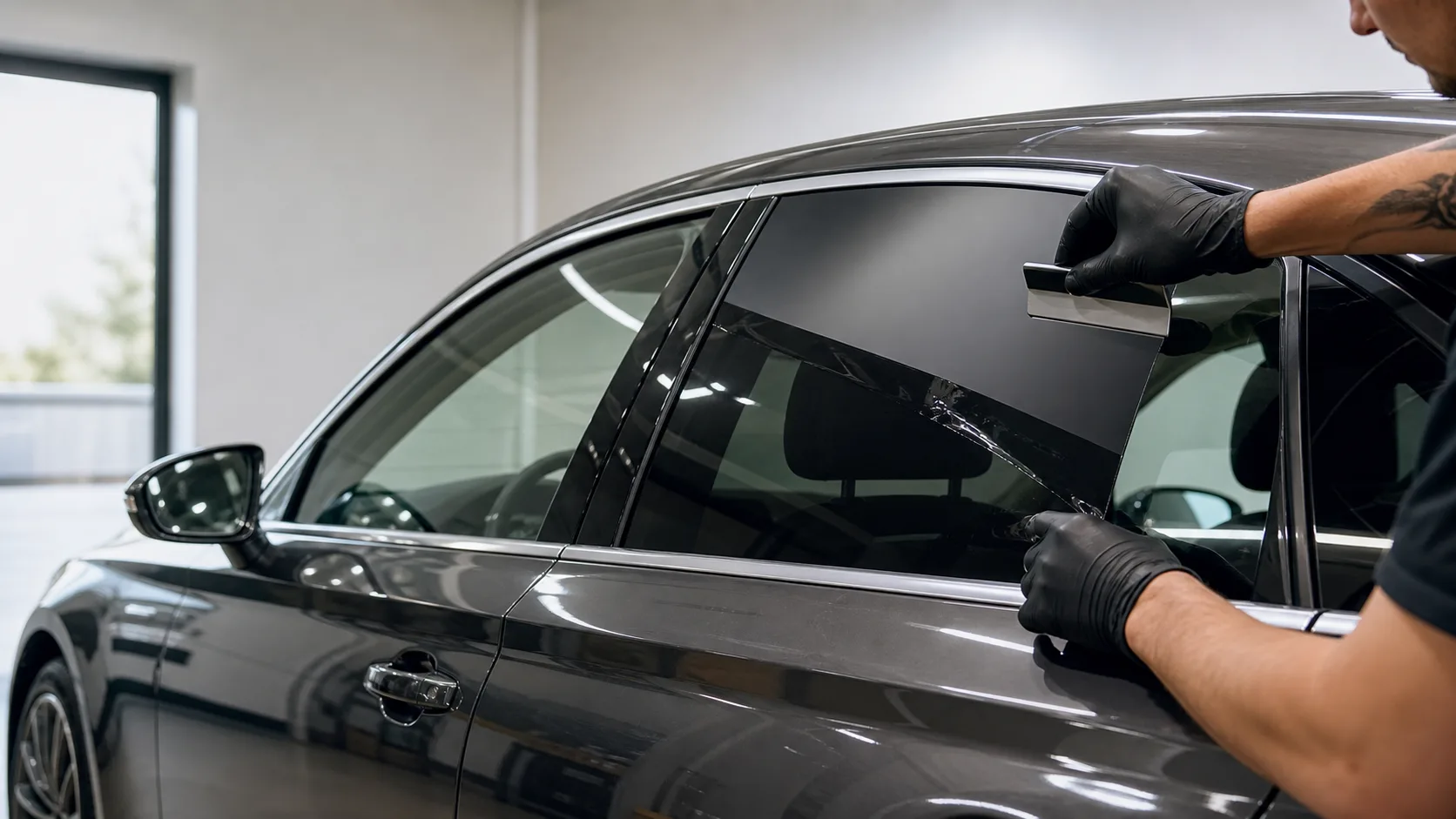
Fresh tint needs time to cure. During the first few days, it is normal to see slight haze, small water pockets, or a lightly uneven appearance as installation moisture evaporates through the film. This is part of the curing process, not a failed install.
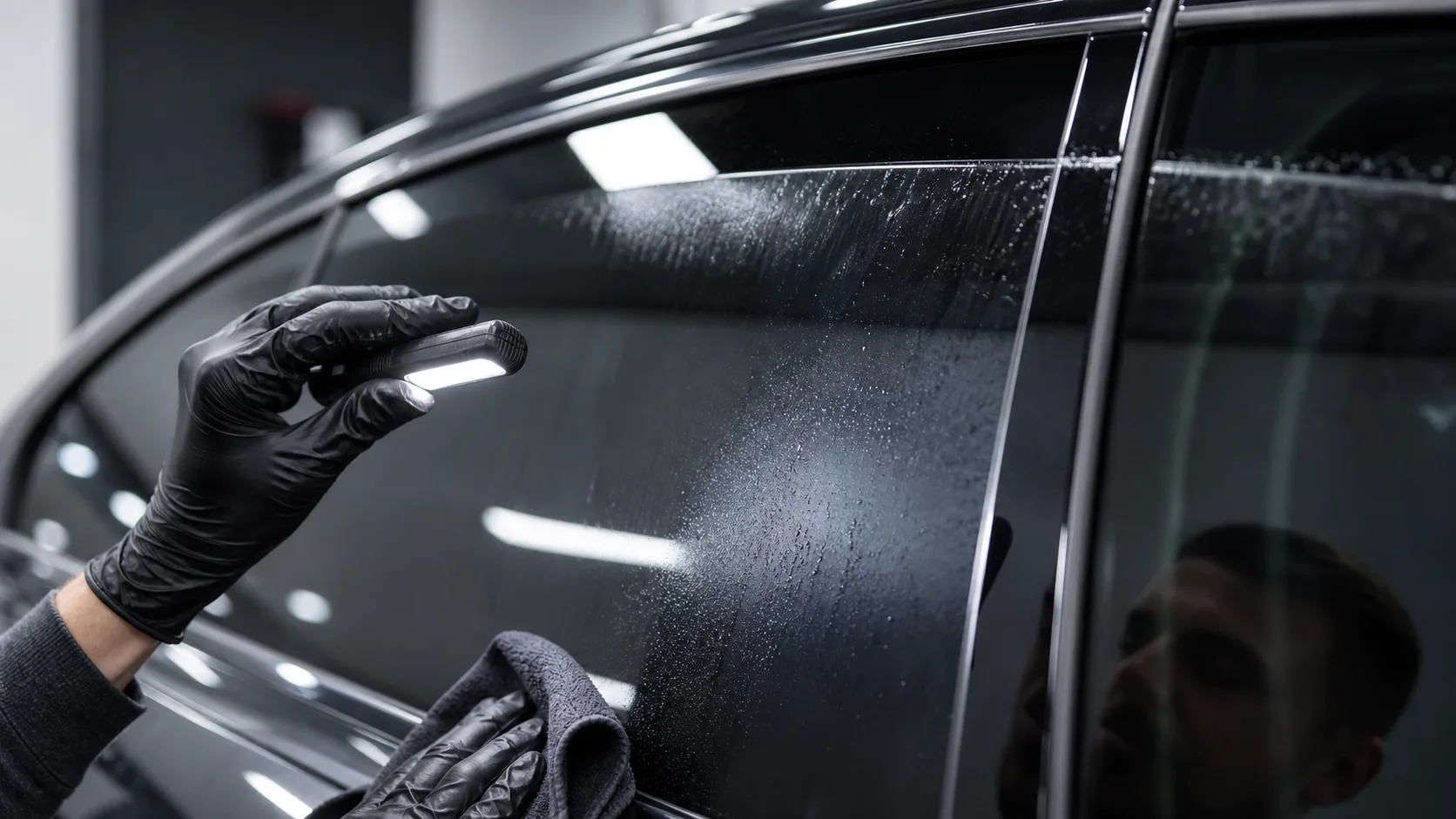
- Do not roll down freshly tinted windows for at least 48 hours unless your installer gives different instructions.
- Expect curing to take a few days in warm dry weather and longer in cold or humid conditions.
- Avoid cleaning the inside of the glass until the film has cured.
- Use soft microfiber towels and ammonia-free glass cleaner once cleaning is safe.
- Small water pockets should clear as the film dries; debris, hard creases, peeling edges, or large bubbles should be inspected.
Realistic Performance Expectations
Tint will not make a parked vehicle immune to heat. A car sitting in direct sun will still warm up. The difference is how quickly the cabin heats, how intense the sun feels through the glass, how hard the air conditioning has to work, and how much UV exposure the interior receives over time.
Privacy also depends on lighting. Darker rear tint hides cargo well during the day, but at night, interior lights can still reveal what is inside. Good tint improves privacy and comfort, but it is not a substitute for keeping valuables out of sight or secured.
The best window tint installation is the one you forget about: clear sightlines, no signal issues, less heat on sunny drives, cleaner aesthetics, and no bubbling or peeling as the seasons change. If you want help choosing the right package, review our window tinting service or request a quote for your vehicle.
Frequently Asked Questions
Which window tint film is best for most Ottawa drivers?
Ceramic film is the best choice for most Ottawa drivers because it provides the strongest heat rejection, excellent UV protection, stable colour, and clear visibility without interfering with electronics. Carbon film is a good value option when privacy and appearance matter more than maximum heat reduction.
Does darker tint always block more heat?
No. Darkness controls visible light, but heat rejection depends on the film technology. A lighter ceramic film can reject more infrared heat than a darker dyed film, which is why film quality matters more than shade when comfort is the goal.
How long does window tint take to cure?
Most tint begins clearing within a few days, but full curing depends on temperature, humidity, and sun exposure. Warm dry weather speeds the process up, while cold or damp Ottawa weather can extend it. Light haze or small water pockets are normal during curing.
Can I tint my front windows in Ontario?
Front-window tint must preserve driver visibility and comply with Ontario rules. For vehicles manufactured on or after January 1, 2017, Ontario's inspection standard uses a 70% light transmittance threshold for the windows directly beside the driver. We help clients choose front-window options carefully.
Will ceramic tint interfere with my phone, GPS, or keyless entry?
No. Modern ceramic films are non-metallic, so they do not interfere with cellular, GPS, Bluetooth, radio, keyless entry, or toll transponder signals.
Kamil is the founder and lead technician at Garage Knights, Ottawa's appointment-only detailing and paint protection studio. He is AMMO Academy and Rupes Academy trained and a certified CKWraps / Flexishield PPF installer. More about Kamil →