You called three paint protection film shops in Ottawa and got quotes ranging from $4,000 to $8,000 for full coverage on the exact same vehicle. None of them are lying to you — they're offering fundamentally different things. The gap between the cheapest and most expensive PPF quote isn't padding or profit margin. It reflects real differences in what you're getting.
Paint protection film (PPF) is a thermoplastic urethane film applied to a vehicle's exterior to shield the paint from rock chips, scratches, and environmental damage. But PPF is not a commodity product. The PPF cost you're quoted reflects three things: the film itself, how it's installed, and which installation technique is used. Each of these affects how the film looks on day one, how it performs over years, and whether it could actually damage your paint if it fails. Let's break each one down.
The Three Factors Behind PPF Pricing
Unlike an oil change or a tire rotation, paint protection film installation is not standardized. Two shops in Ottawa offering "full front end PPF" can deliver wildly different products and outcomes. The PPF cost gap comes down to three pillars:
- Film quality — the raw material being applied to your vehicle, its chemistry, durability, and manufacturer backing
- Installation quality — how thoroughly the film is applied, including edge coverage and whether the vehicle is partially disassembled for proper access
- Installation technique — whether the film is pre-cut from a plotter, hand-cut on the vehicle, or a hybrid of both
Each of these pillars affects the final result independently. A shop can use premium film but install it poorly. Another can use a great technique but cut corners on film quality. Understanding all three helps you evaluate what any given quote actually includes.
Film Quality: The Foundation of Every Installation
Not all PPF is created equal. The market has top-tier manufacturers — Autobahn, STEK, 3M — and dozens of budget alternatives sourced from overseas factories with little to no track record. The difference isn't just branding. It's chemistry.
Premium films use advanced thermoplastic urethane with consistent thickness, optical clarity, and proven self-healing top coats. Budget films cut corners on adhesive formulation, UV stabilizers, and top coat durability. These shortcuts might not be visible on day one, but they reveal themselves within months.
What Happens When Cheap Film Fails
Low-quality films tend to fail in predictable ways. The edges begin lifting and peeling, especially around curves and complex body lines, often within the first year. Yellowing under UV exposure becomes visible — particularly noticeable on white and light-coloured vehicles. The self-healing top coat, if it was ever truly functional, stops working. Cracking appears in high-stress areas.
But the worst failure mode is adhesive breakdown. When a budget film's adhesive deteriorates — or bonds too aggressively to the clear coat under heat and UV exposure — it can pull clear coat off the paint when the film is removed. What was supposed to protect your paint ends up destroying it.
Budget PPF that fails prematurely doesn't just leave your vehicle unprotected — it can actively damage your paint. Adhesive breakdown and film shrinkage can pull clear coat off the surface when removed, turning a $2,000 savings into a $5,000 repaint.
What to Look for in Film
When evaluating a PPF quote, the film brand should be one of the first things you ask about. Here's what separates premium film from the rest:
- A named manufacturer with a proven track record — Autobahn, STEK, and 3M are among the most established in the industry
- A manufacturer-backed warranty, typically 7 to 10 years on premium films, covering yellowing, cracking, peeling, and delamination
- Transparency from the shop — reputable installers will tell you the exact product line and SKU they use, not just a generic brand name
- A self-healing top coat that is genuinely proven, not just a marketing claim — premium films visibly heal light scratches and swirl marks with heat
Installation Quality: Edge Coverage and Disassembly
This is where the biggest quality differences hide — and where most consumers don't know what to look for. Two Ottawa shops can use the exact same paint protection film and deliver completely different results based on how thoroughly they install it. Installation quality starts before the film even touches the vehicle — with surface preparation — and extends to how far the film wraps around edges and whether the installer is willing to partially disassemble the vehicle for proper coverage.
Surface Preparation: The Step Most People Never See
Before a single piece of film is laid down, the paint surface must be properly prepared. This means a thorough wash, clay bar decontamination to remove embedded contaminants like iron particles, tar, and industrial fallout, and a full panel wipe with an isopropyl alcohol solution to strip any residual oils, waxes, or sealants. If there are swirl marks or scratches, a paint correction may be needed first — PPF locks in whatever is underneath it.
This preparation takes time. On a typical vehicle, proper decontamination and panel wipe alone can add one to two hours to the job before any film work begins. Shops that skip or rush this step are compromising adhesion from the start — contaminants trapped under the film cause bubbling, poor adhesion, and premature lifting. When you see a significant price difference between two quotes, the prep work is often one of the first things being cut.
If a shop is quoting you a same-day full front end installation, ask yourself how much time they're really spending on preparation. Proper decontamination and panel wipe are not optional steps — they are the foundation that everything else sits on.
Edge Coverage: Wrapped vs. Exposed Edges
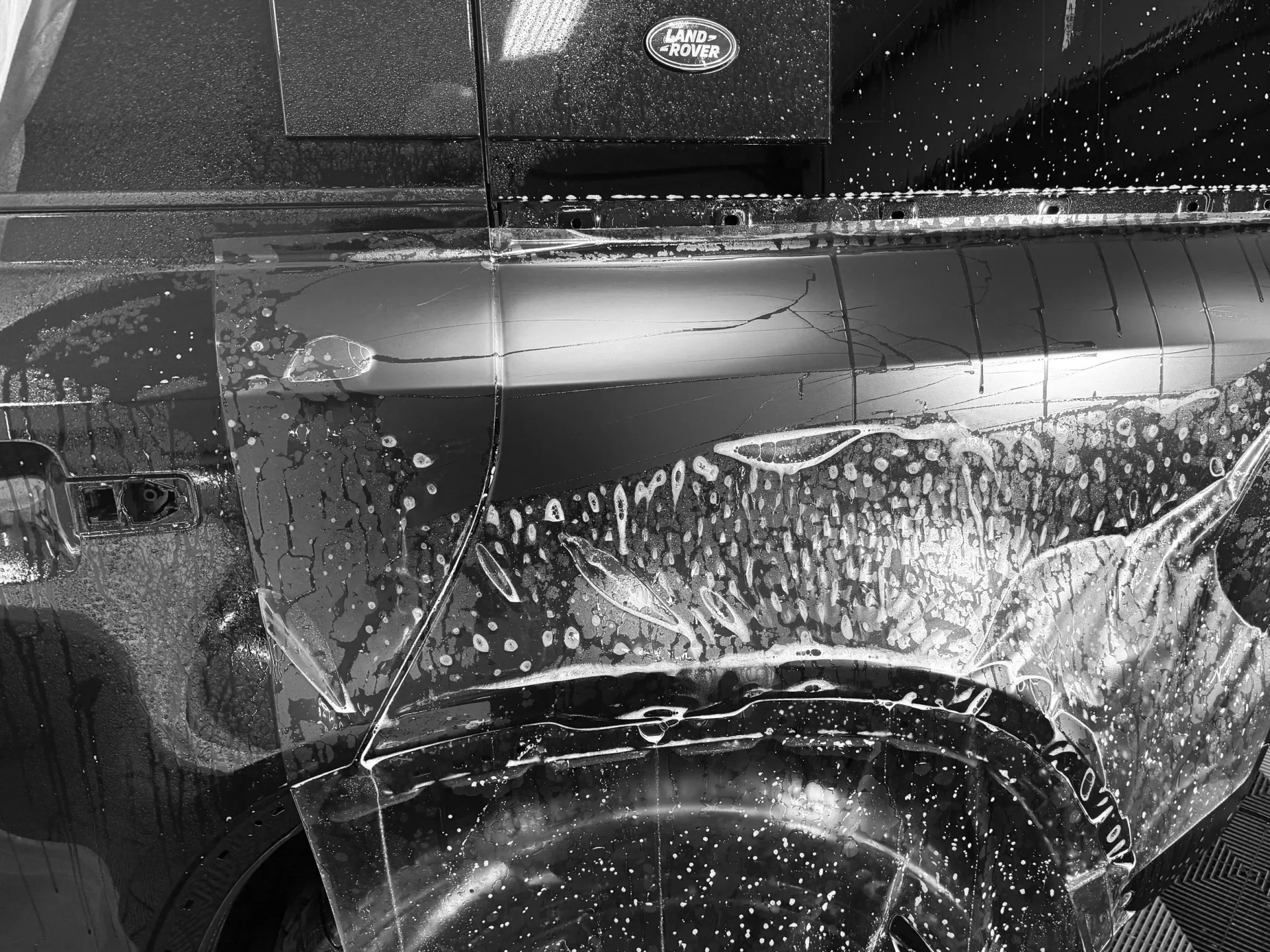
On a budget installation, film edges are left exposed on the face of panels. You can see the line where the film ends, and that edge is vulnerable — dirt accumulates along it, water gets underneath, and over time the edge begins to lift. Every car wash, every temperature cycle, every contact with that edge accelerates the process.
On a quality installation, the film wraps around panel edges — behind bumper lips, under door edges, around headlight housings — so the termination point is hidden and protected. These wrapped edges last dramatically longer because they're shielded from direct contact, washing pressure, and environmental exposure.
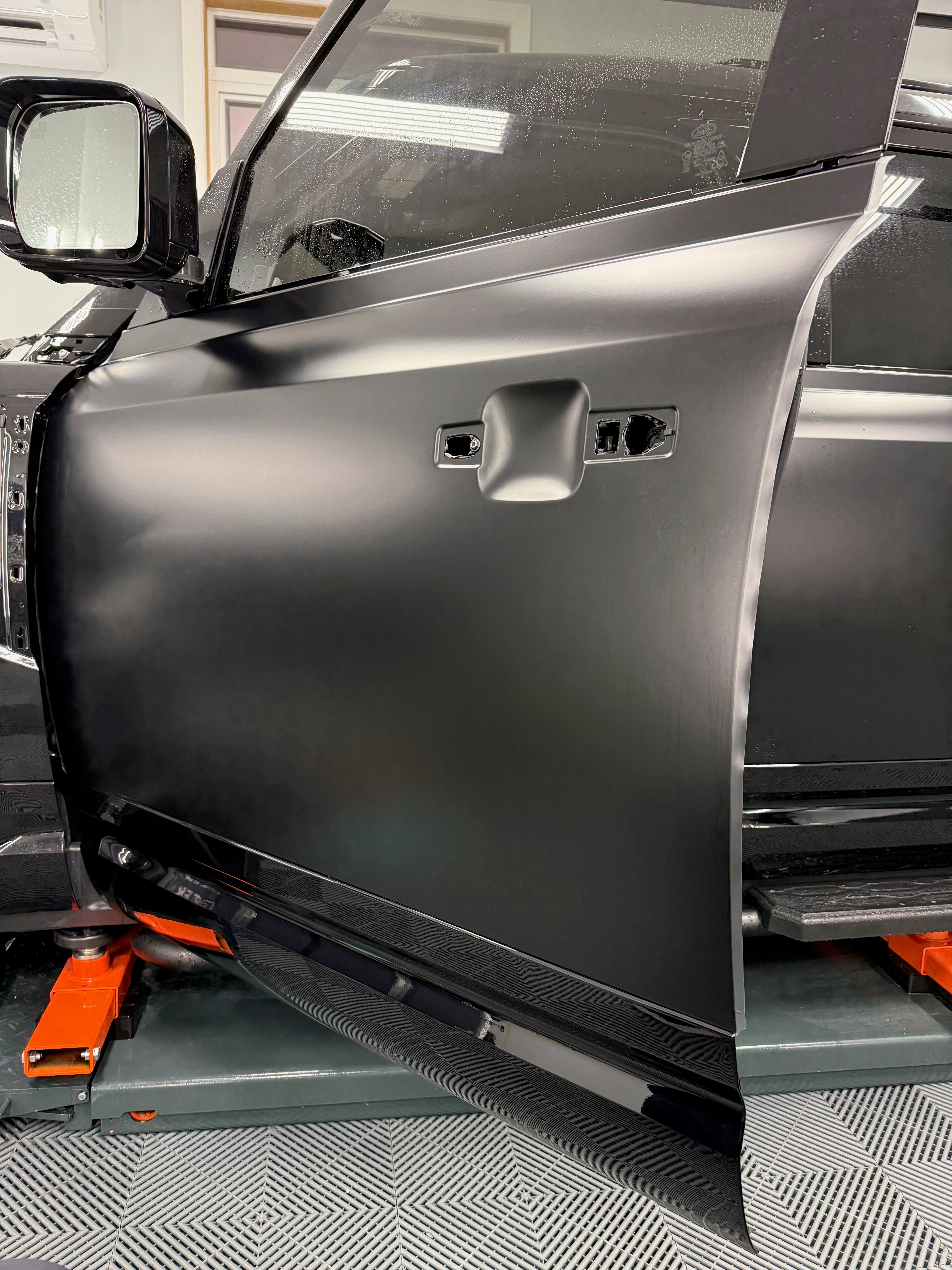
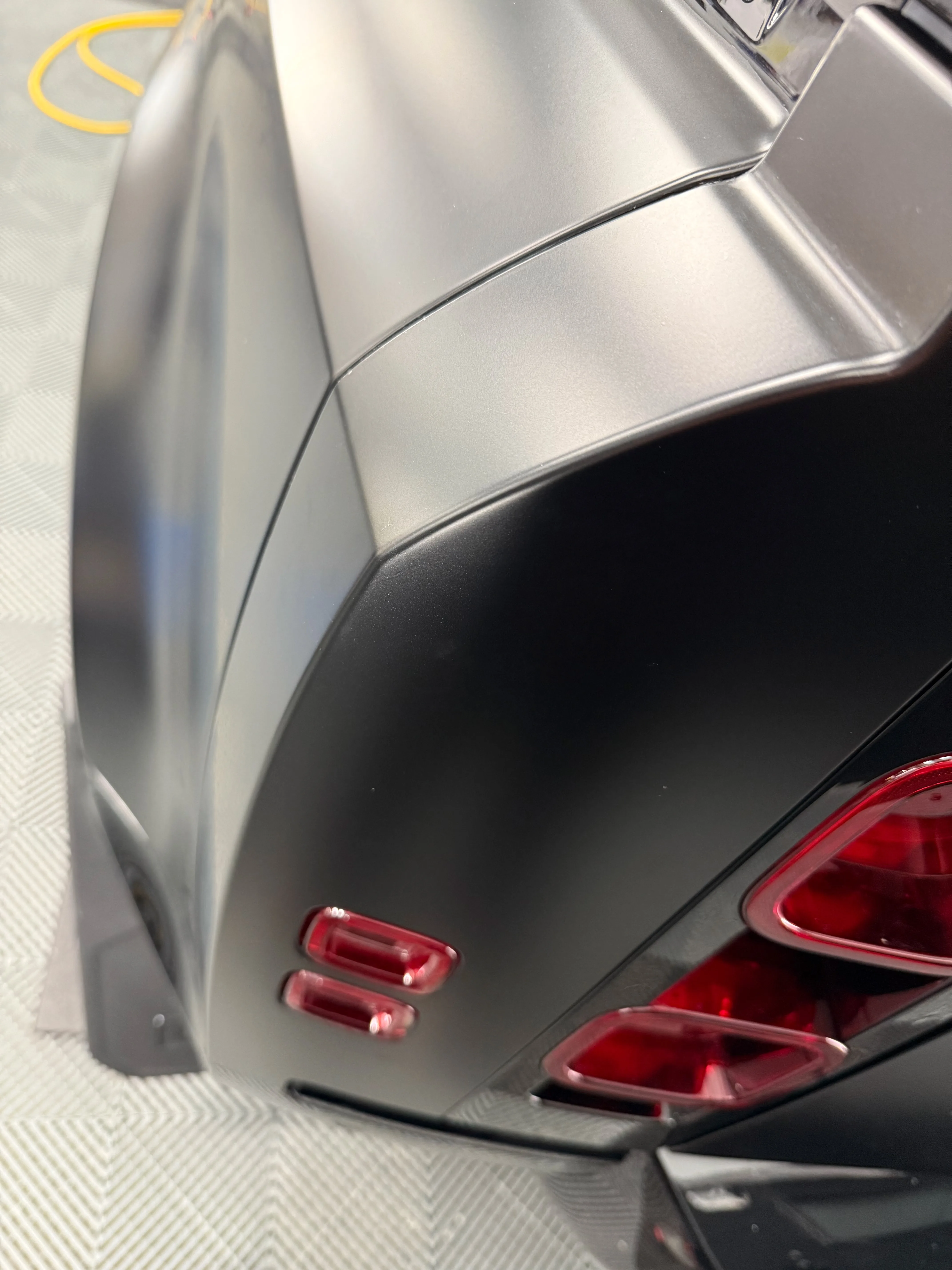
Wrapping edges is only half the equation — those edges need to be post-heated to ensure long-term durability. After the film is positioned and squeegeed into place, a skilled installer uses a heat gun or infrared lamp to carefully heat every edge and wrapped surface. This activates the adhesive at the film's termination points, releasing any residual tension in the material and locking the film into its final shape. Without proper post-heating, edges that look perfect on day one can begin to lift within weeks as the film's memory tries to pull it back to its original flat state — especially in Ottawa's extreme temperature swings between summer and winter.
Why Partial Disassembly Makes a Difference
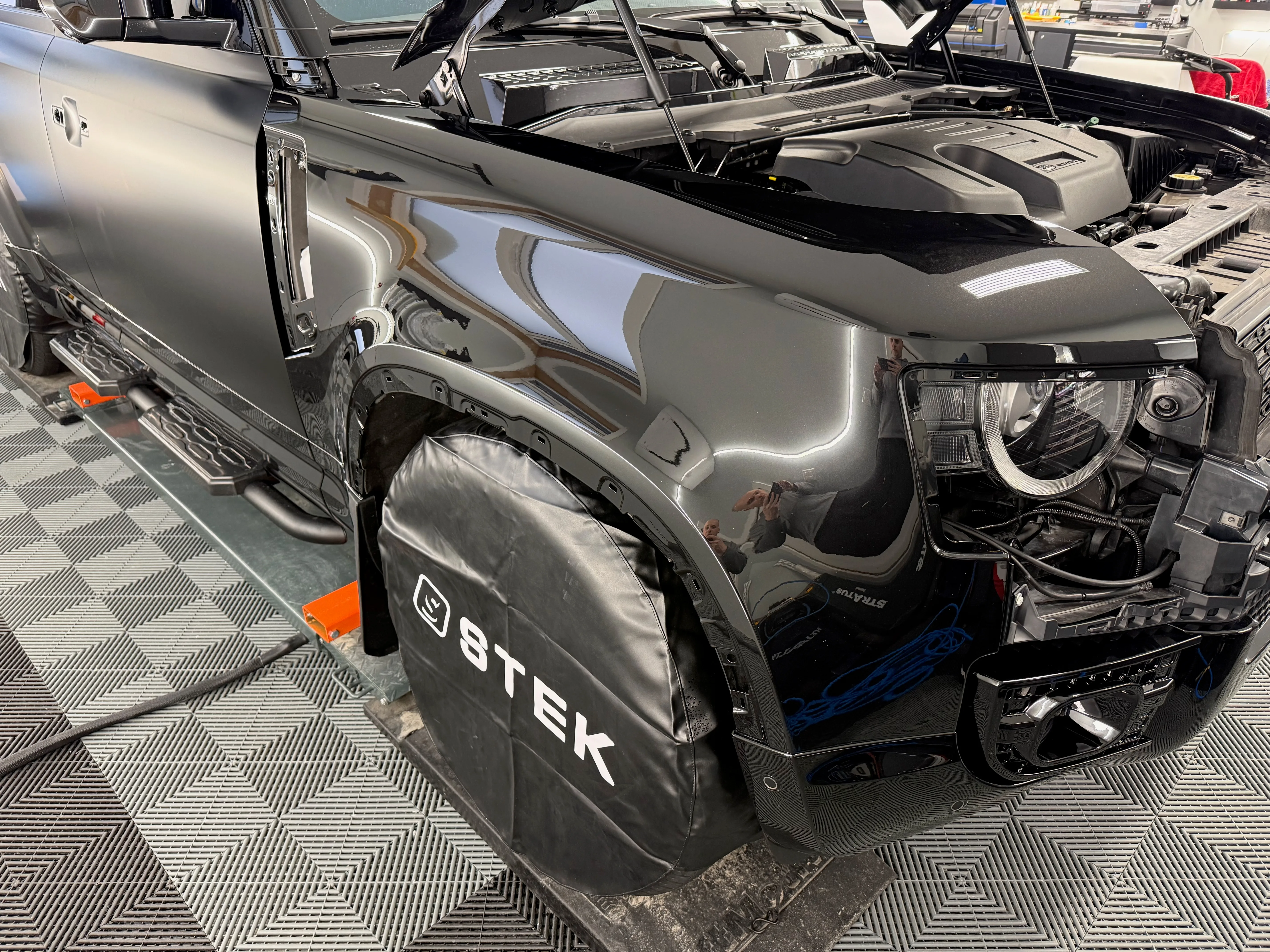
Achieving proper edge coverage on most vehicles requires removing components. Headlights, tail lights, bumper covers, door handles, mirror caps, and trim pieces all obstruct the areas where film needs to wrap. When these parts are removed, the installer can lay film smoothly into recesses, around tight curves, and fully behind edges that are physically impossible to reach with the vehicle fully assembled.
This is time-consuming work. It requires knowledge of vehicle-specific fasteners, clips, and electrical connectors. It's a significant reason quality shops charge more — and a significant reason the results look better and last longer. Without disassembly, installers are forced to cut film short of edges or tuck it into tight gaps where adhesion is compromised.
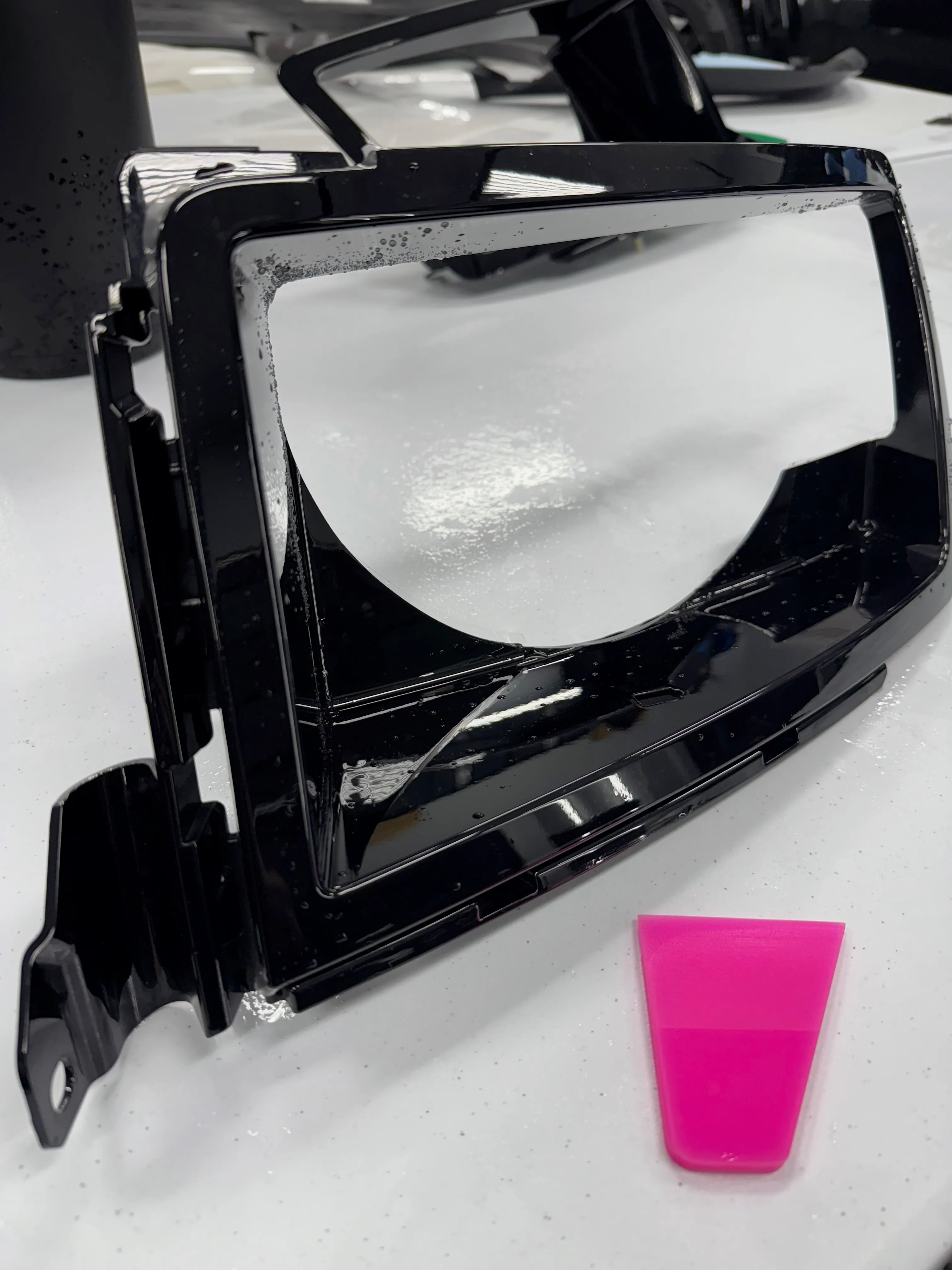
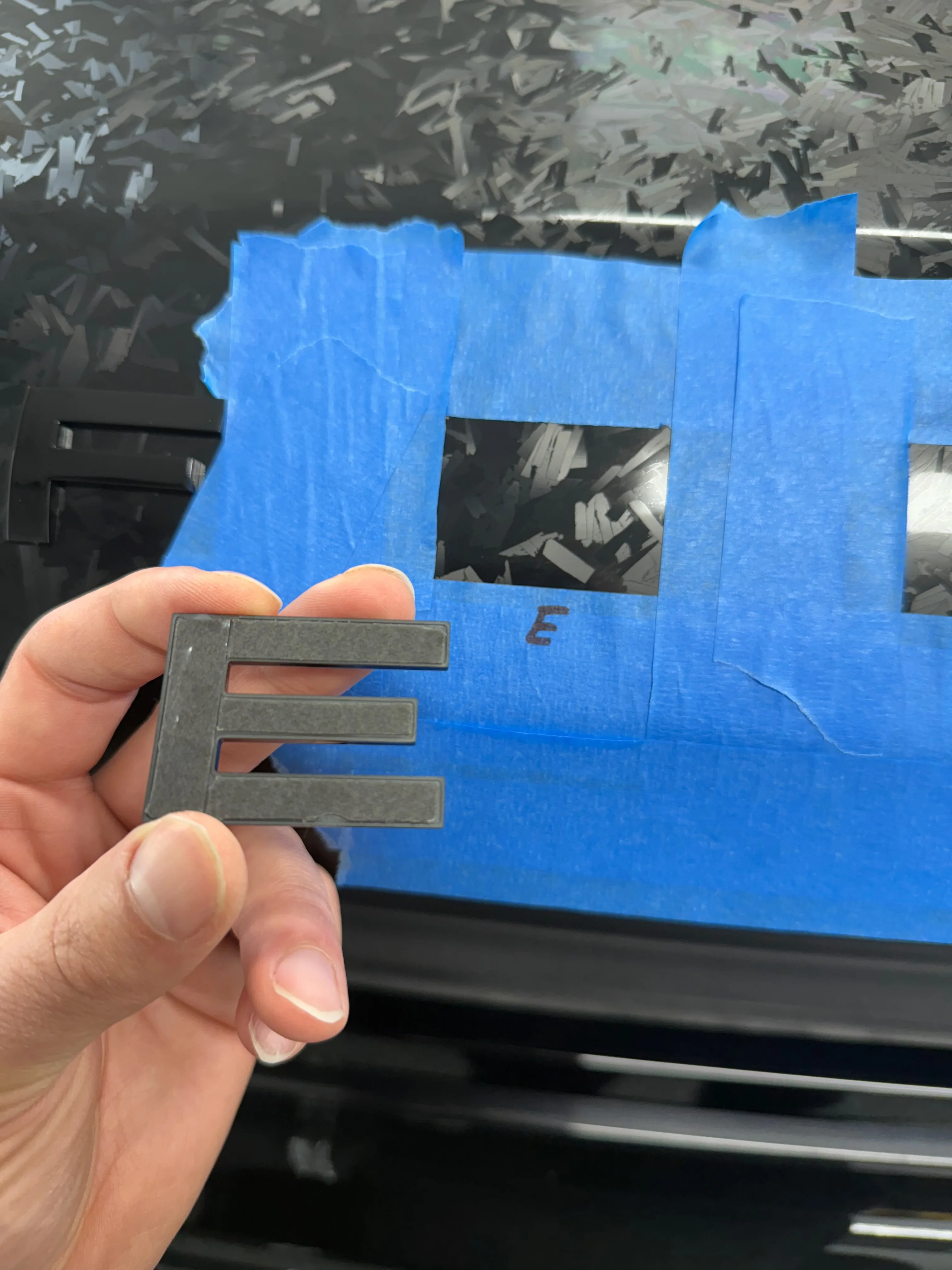
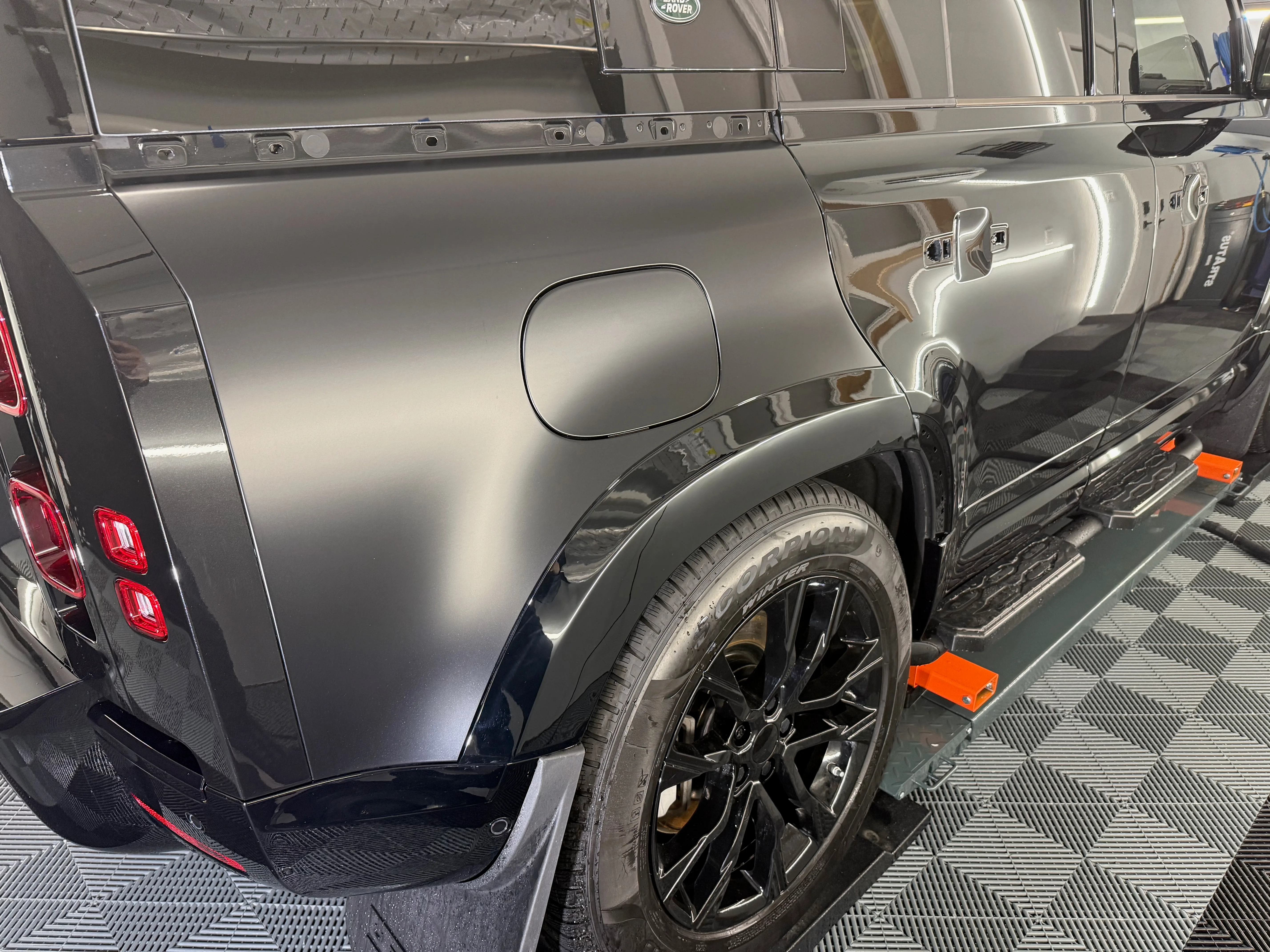
Even smaller components benefit from this approach. Fuel doors, mirror caps, and trim pieces can all be removed and wrapped individually, ensuring the film covers every exposed surface with clean, tucked edges that won't lift or peel over time.
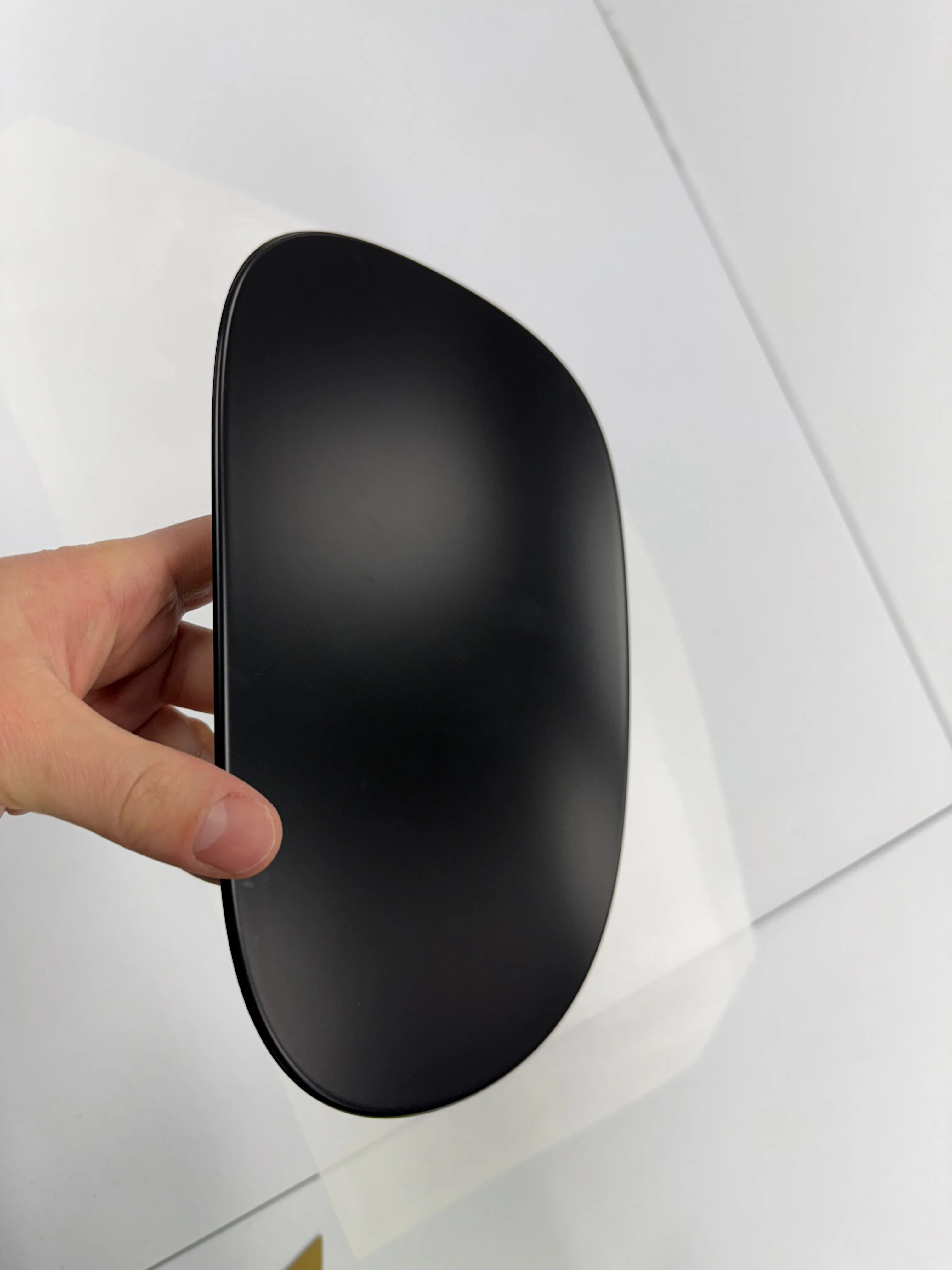
Partial disassembly is especially critical on lighter-coloured vehicles and matte or satin finishes. On white, light silver, or matte conversions, even small gaps in coverage or exposed film edges are highly visible and break the seamless look the film is supposed to provide.
Special Considerations for Light Colours and Matte Finishes
Light-coloured vehicles are unforgiving. Every film edge, every gap in coverage, and every transition line is visible in a way that darker colours can sometimes mask. If the film doesn't wrap fully around a panel edge on a white or silver vehicle, you'll see the line from several feet away.
Matte and satin PPF conversions — where gloss paint is transformed to a matte appearance using specialty film — raise the bar even further. Any inconsistency in the film texture, any visible seam, any gap in coverage is immediately apparent because the matte surface reflects light differently than the underlying gloss paint. These installs demand full coverage with no visible transitions, which typically means full disassembly and significantly more installation time.
Installation Techniques: Plotted, Hybrid, and Custom
The method used to cut and fit the film is the third major factor in pricing. There are three approaches, each with trade-offs in coverage, precision, and cost. No single method is universally "best" — the right choice depends on the vehicle, the coverage area, and the customer's expectations.
Fully Plotted Kits (Pre-Cut from a Plotter)
With plotted kits, the film is cut by a computer-controlled plotter using digital templates designed for the specific vehicle make, model, and year. The pieces arrive pre-shaped, and the installer applies them to the vehicle without any cutting on the paint.
This is the fastest installation method, which means lower labour cost. It also eliminates blade-to-paint risk entirely, since no cutting happens on the vehicle. The trade-off is that templates are generic — they're designed to fit the average vehicle of that model, which means edges are typically cut slightly short as a safety margin. For standard daily drivers where solid front-end protection is the goal, plotted kits are a perfectly good option.
Hybrid Installs (Plotted + Hand-Cut)
Hybrid installations use plotted templates for large, flat panels where the templates fit well — hoods, roofs, and doors — and switch to hand-cut technique for complex curves, bumper wraps, and areas where pre-cut templates fall short. This blends the speed of plotted kits with the precision of hand cutting where it matters most.
For many vehicles, a hybrid approach offers the best balance of value and quality. It keeps costs reasonable on the straightforward panels while ensuring the complex areas — where coverage differences are most visible — get the attention they need. It does require an installer who is skilled in both techniques and knows when to switch between them.
Fully Custom Cut Installations (Hand-Cut on the Vehicle)
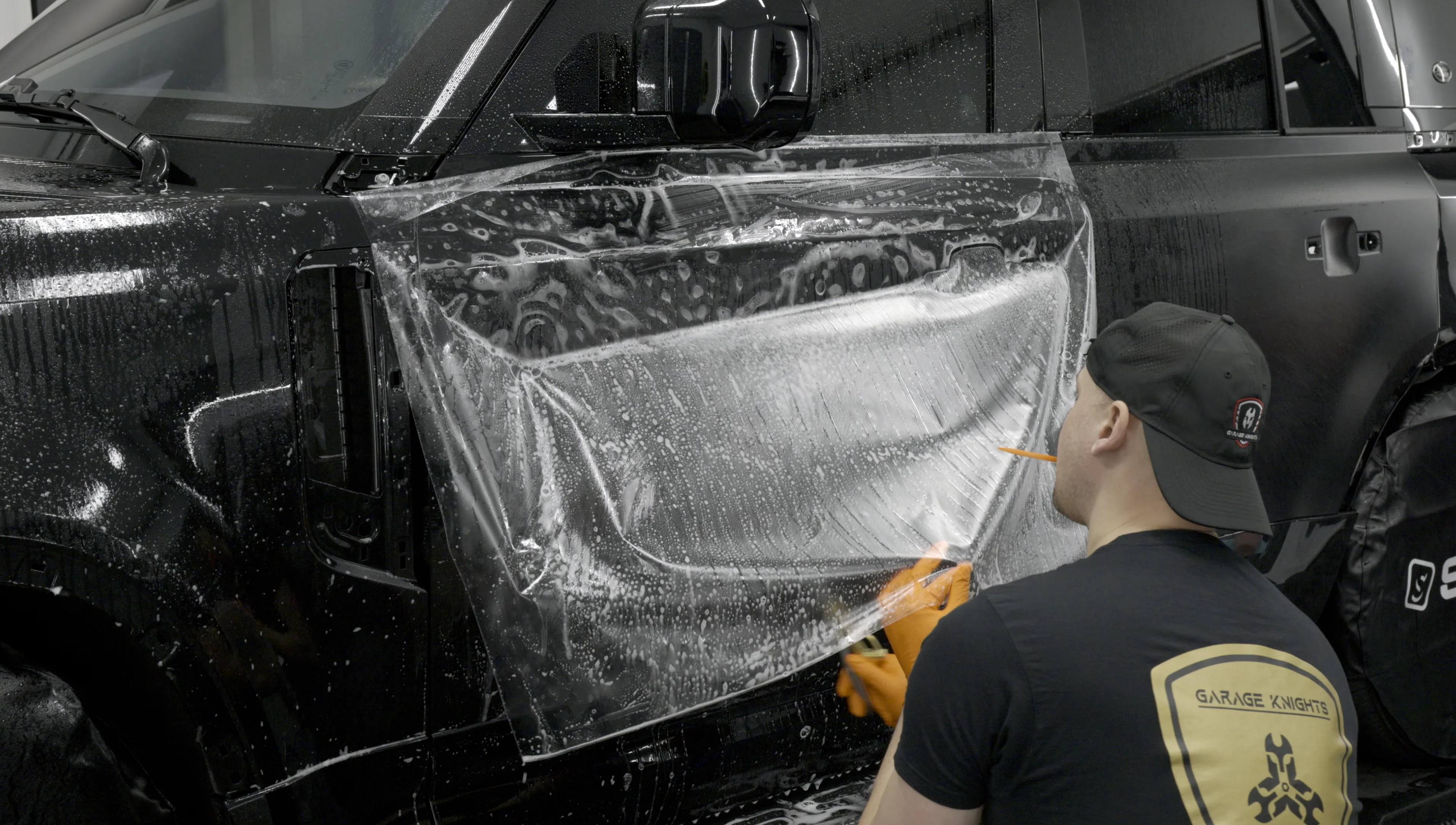
In a fully custom installation, bulk film is applied directly to each panel and cut by hand on the vehicle. There are no templates — the installer shapes every piece to the exact contours of that specific vehicle. This delivers maximum coverage because the film is trimmed to the actual edges, not to a generic template's safety margin.
This is the most time-intensive method and carries the highest labour cost. It also requires significant skill — the installer is cutting on or very near the vehicle's paint, so blade control and technique are critical. Fully custom installation is the go-to method for exotic vehicles, complex body lines, matte or satin conversions, and any project where complete coverage and seamlessness are the top priority.
- Plotted kits — fastest install, lowest cost, good protection with some edge compromises from generic templates
- Hybrid installs — balanced approach combining plotted panels with hand-cut precision on complex areas
- Fully custom — maximum coverage and seamlessness, highest skill and time requirement, premium price point
Quick comparison:
Plotted kits — Coverage: Good (slight edge shortfall) · Best for: Daily drivers, standard front-end coverage · PPF cost: $
Hybrid installs — Coverage: Very good (precision where it counts) · Best for: Most vehicles, best value balance · PPF cost: $$
Fully custom — Coverage: Maximum (full edge wrap) · Best for: Exotics, matte conversions, full-body coverage · PPF cost: $$$
“The technique isn't about good versus bad — it's about matching the method to the vehicle and the customer's expectations. A plotted kit on a daily driver is perfectly solid. A full matte conversion on a Porsche 911 GT3 needs to be fully custom.”
— Kamil Matynia, Garage Knights
How to Evaluate a PPF Quote
Now that you understand what drives the PPF cost, here's what to ask and look for when comparing paint protection film quotes in Ottawa. These questions will quickly tell you where a shop falls on the quality spectrum:
- Which specific film brand and product line do you use? — A reputable shop will name the exact product without hesitation
- Do you wrap edges or leave them exposed on the panel face? — Edge wrapping is a hallmark of quality installation
- Do you disassemble any parts of the vehicle during installation? — Headlights, bumpers, trim removal indicates thorough coverage
- Which installation technique do you use — plotted kits, hybrid, or fully custom? — There's no wrong answer, but the answer should match what you're paying for
- Can you show me examples of your work on a vehicle similar to mine? — Ask specifically for close-up shots of edges and complex areas
- What warranty do you offer on both the film and the labour? — Premium film carries a manufacturer warranty; the shop should back their work separately
- Be cautious of quotes that are dramatically lower than the market average — the savings come from somewhere, and now you know where to look
A useful litmus test: ask the shop to show you a close-up photo of a completed bumper edge or headlight surround. How the film terminates at edges tells you more about installation quality than any sales pitch.
Key Takeaways
- Paint protection film pricing varies because the product, craftsmanship, and technique are fundamentally different from shop to shop
- Budget film from unknown manufacturers can fail within a year and may damage your paint on removal — always ask for the specific brand and product line
- Edge coverage and partial vehicle disassembly are the biggest quality differentiators — quality shops wrap film behind panels, not just up to the edge
- Plotted kits, hybrid installs, and fully custom installations each serve different needs — match the technique to your vehicle, colour, and expectations
- When comparing PPF cost in Ottawa, ask about film brand, edge wrapping, disassembly, technique, and warranty — the cheapest quote is rarely the best value
Frequently Asked Questions
Why is one shop quoting me $1,500 and another $5,000 for the same vehicle?
The price difference typically comes down to three factors: the film being used (premium vs. budget brand), the installation technique (pre-cut kit vs. hybrid vs. fully custom hand-cut), and the level of edge coverage (surface-mounted edges vs. full wrap with partial vehicle disassembly). A lower quote usually means trade-offs in one or more of these areas — not necessarily a scam, but a different level of product and finish.
Can cheap PPF actually damage my paint?
Yes. Low-quality films with poor adhesive formulations can bond too aggressively to the clear coat over time, especially when exposed to heat and UV. When the film is eventually removed — or starts failing and peeling on its own — it can pull clear coat off the paint, leaving damage that requires professional paint correction or repainting to fix.
Is a pre-cut plotted kit good enough, or do I need custom installation?
For a standard daily driver where you want solid front-end protection, a quality plotted kit installed by a skilled technician is a perfectly good option. If you're protecting a high-value vehicle, want full-body coverage, have a light colour, or are doing a matte or satin conversion, a hybrid or fully custom installation will deliver noticeably better results in terms of coverage and seamlessness.
Why does partial disassembly matter for PPF installation?
Removing components like headlights, bumper covers, door handles, and trim pieces allows the installer to wrap the film fully around panel edges and into recesses that are impossible to reach with the vehicle fully assembled. This means hidden edges that won't lift, better adhesion, and a cleaner overall appearance — especially critical on light-coloured and matte vehicles.
How can I tell if a PPF installation was done well?
Look at the edges. On a quality installation, you should not see visible film lines on the face of panels — edges should be tucked behind bumper lips, under trim, and around corners. The film should be free of bubbles, debris, or stretch marks. From a normal viewing distance, you shouldn't be able to tell where the film starts and ends.
Kamil is the founder and lead technician at Garage Knights, Ottawa's appointment-only detailing and paint protection studio. He is AMMO Academy and Rupes Academy trained and a certified CKWraps / Flexishield PPF installer. More about Kamil →